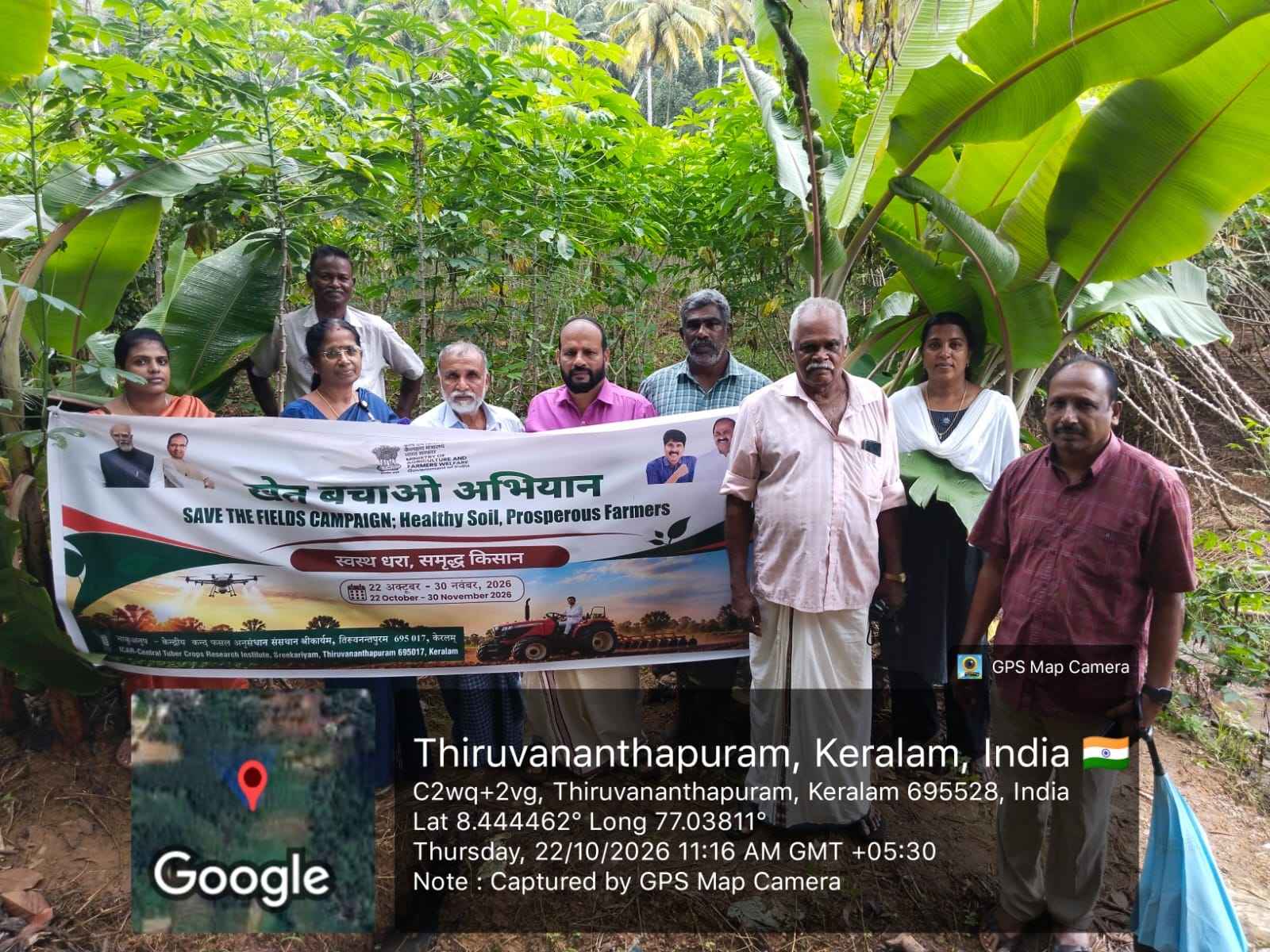
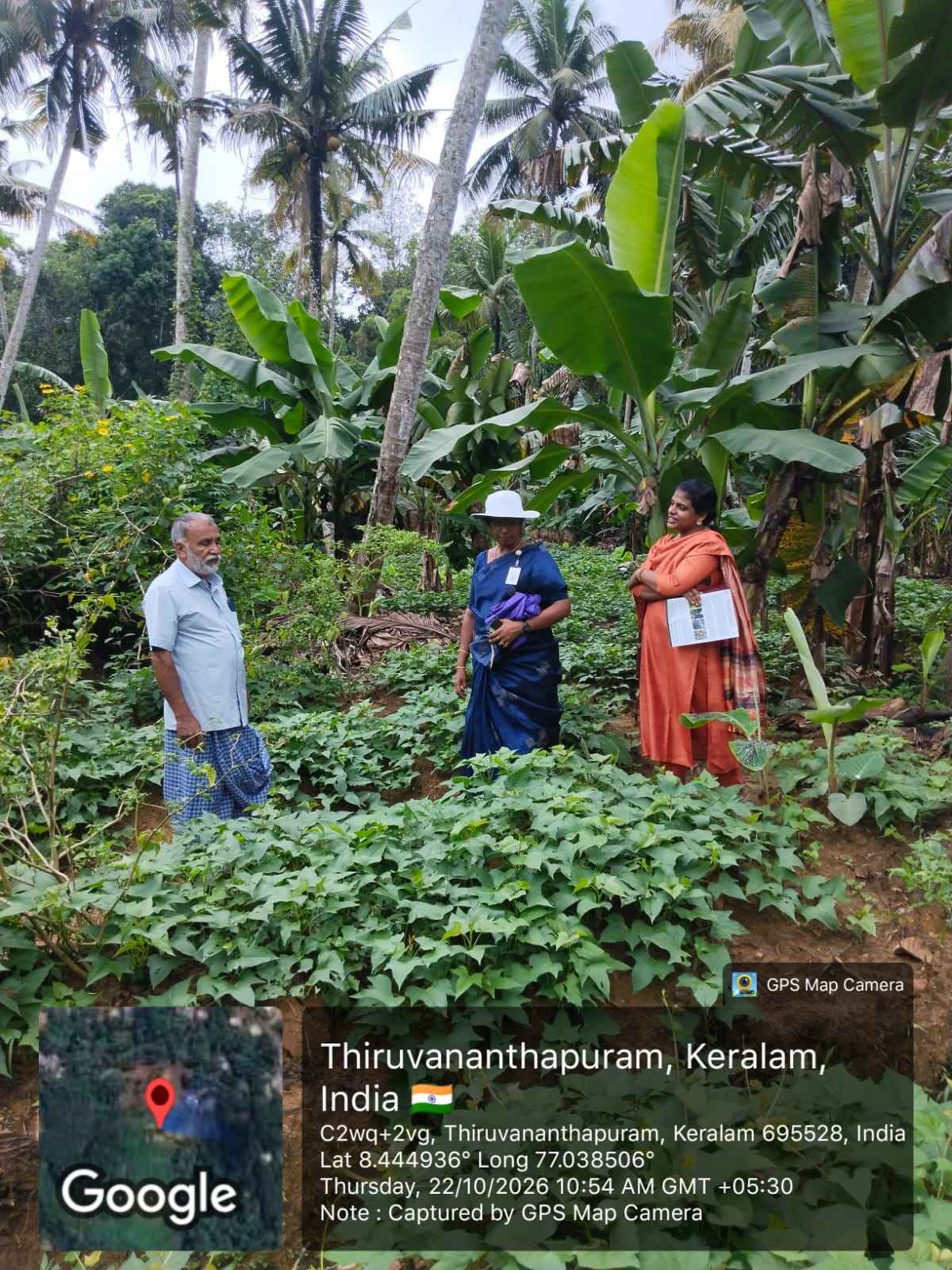
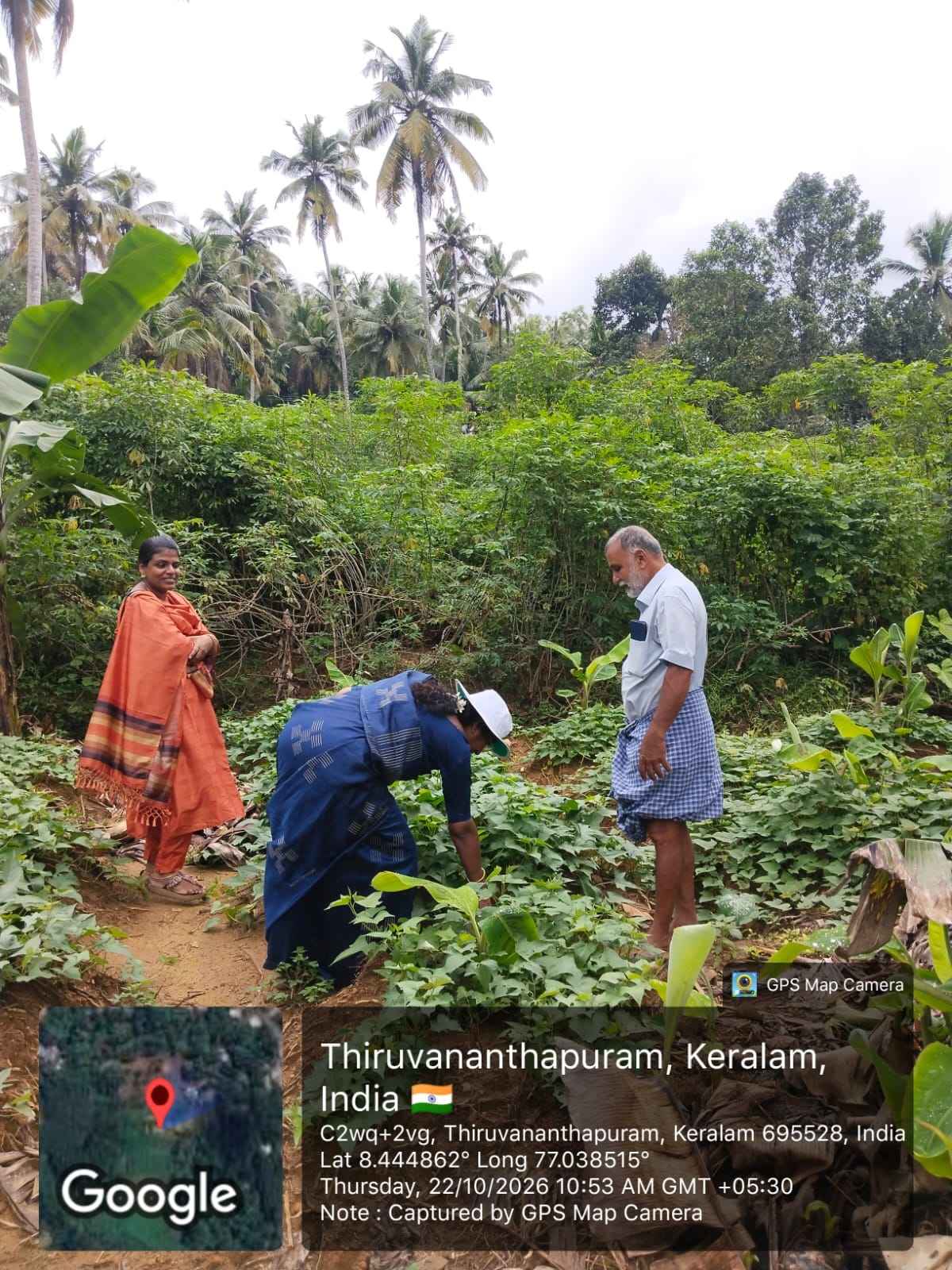
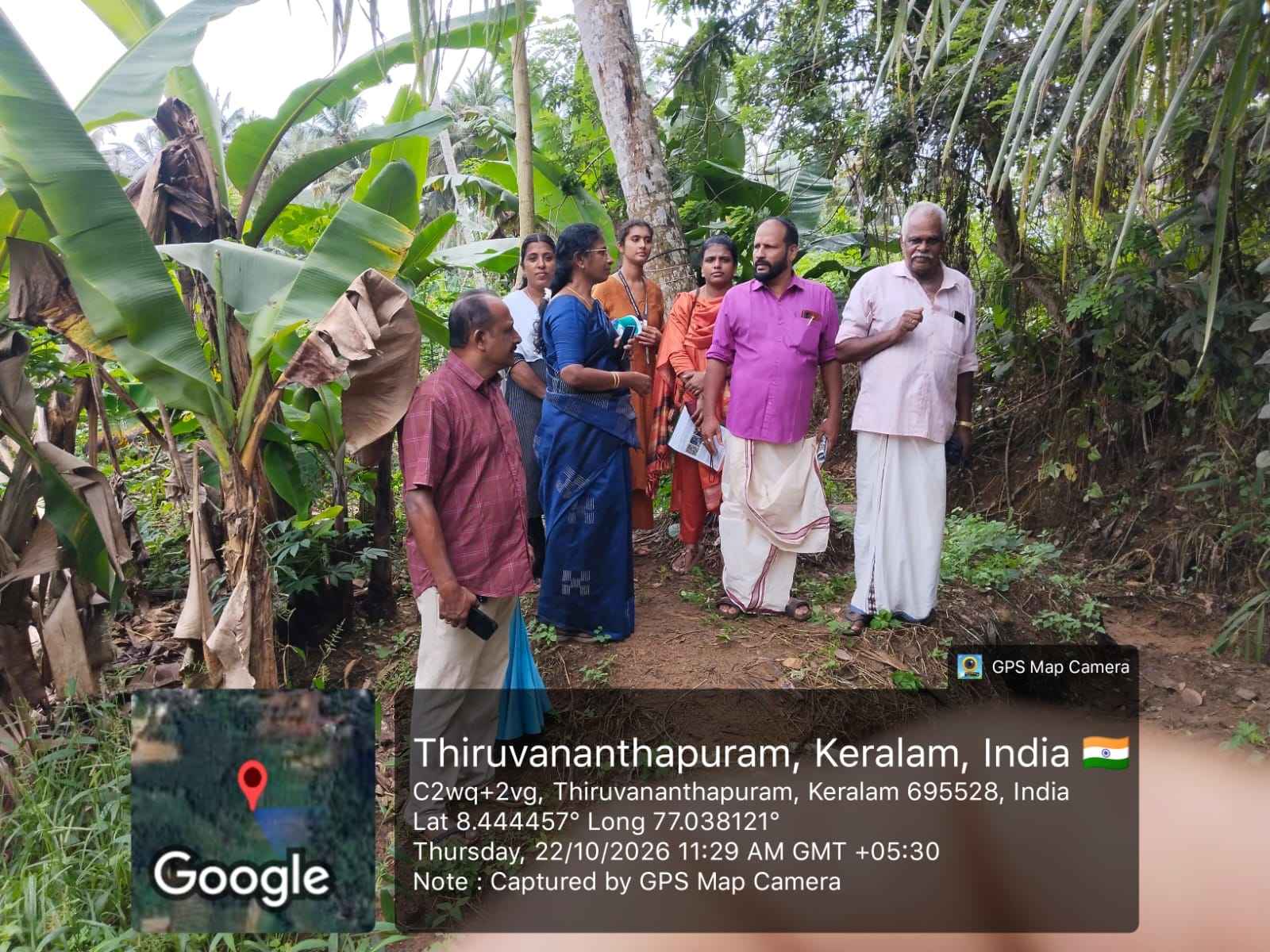
A field demonstration programme on soil health in wetland ecosystems was organized in connection with Khet Bachaoo Abhiyaaan (KBA Rabi 2026l by ICAR–Central Tuber Crops Research Institute (ICAR–CTCRI) at Naruvamoodu, Pallichal Block, Thiruvananthapuram district, Kerala, on 22 October 2026. The demonstartion was conducted in cassava stem and root rot hot spot area which is related to soil illhealth. The programme was attended by Principal Scientist Dr. M.L.Jeeva, along with Technician Ms. L. Sreelakshmi. and ICAR–CTCRI, Thiruvananthapuram. Dr. Anila , AO; Mr. Rajesh, AAO, Mrs. Rejitha, Agriculture assistant Pallichal Krishibhavan also participated. A total of 24 farmers, comprising 3 female and 21 male, participated in the programme.
The programme aimed to create awareness among farmers about the role of soil health management in reducing cassava stem and root rot, particularly in wetland fields affected by poor drainage, prolonged soil moisture retention and imbalanced nutrient application. During the field demonstration, the symptoms and development of the disease were explained, highlighting the initiation of necrosis in the collar region below the soil surface and its subsequent spread to roots and storage tubers. The importance of proper drainage, improved soil aeration and balanced nutrient management in maintaining healthy cassava crops was emphasized. Farmers were sensitized to the importance of soil testing before fertilizer application to assess soil nutrient status and determine crop-specific nutrient requirements. The need for balanced and timely application of major nutrients (nitrogen, phosphorus and potassium), secondary nutrients and micronutrients was discussed.
The limitations of indiscriminate use of complex fertilizers without considering soil nutrient status and crop requirements were also highlighted. The benefits of incorporating quality organic manures and fertilizers to improve soil structure, fertility and beneficial microbial activity were explained. During the interactive session, farmers highlighted several practical constraints, including limited access to soil testing facilities and delays in receiving soil test results. They also reported the limited availability of individual fertilizers, which often compelled them to use complex fertilizers that might not meet the specific nutrient requirements of different crops. Concerns regarding the availability and quality of organic fertilizers were also expressed. The programme highlighted the need for accessible soil testing services, timely fertilizer recommendations and reliable supplies of quality organic inputs to promote sustainable nutrient management.