Image
Image
Image
Image
Image
Event Date
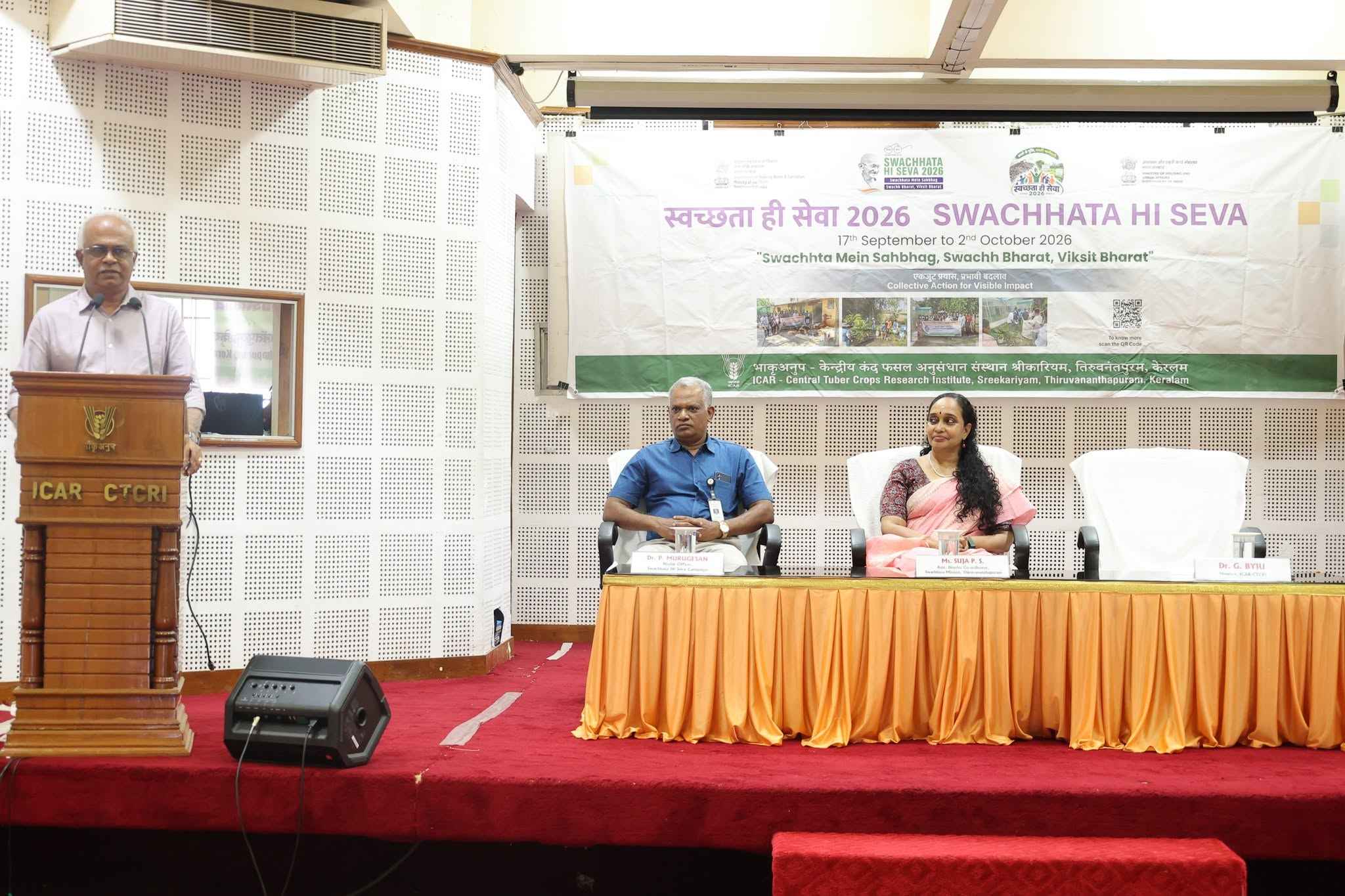
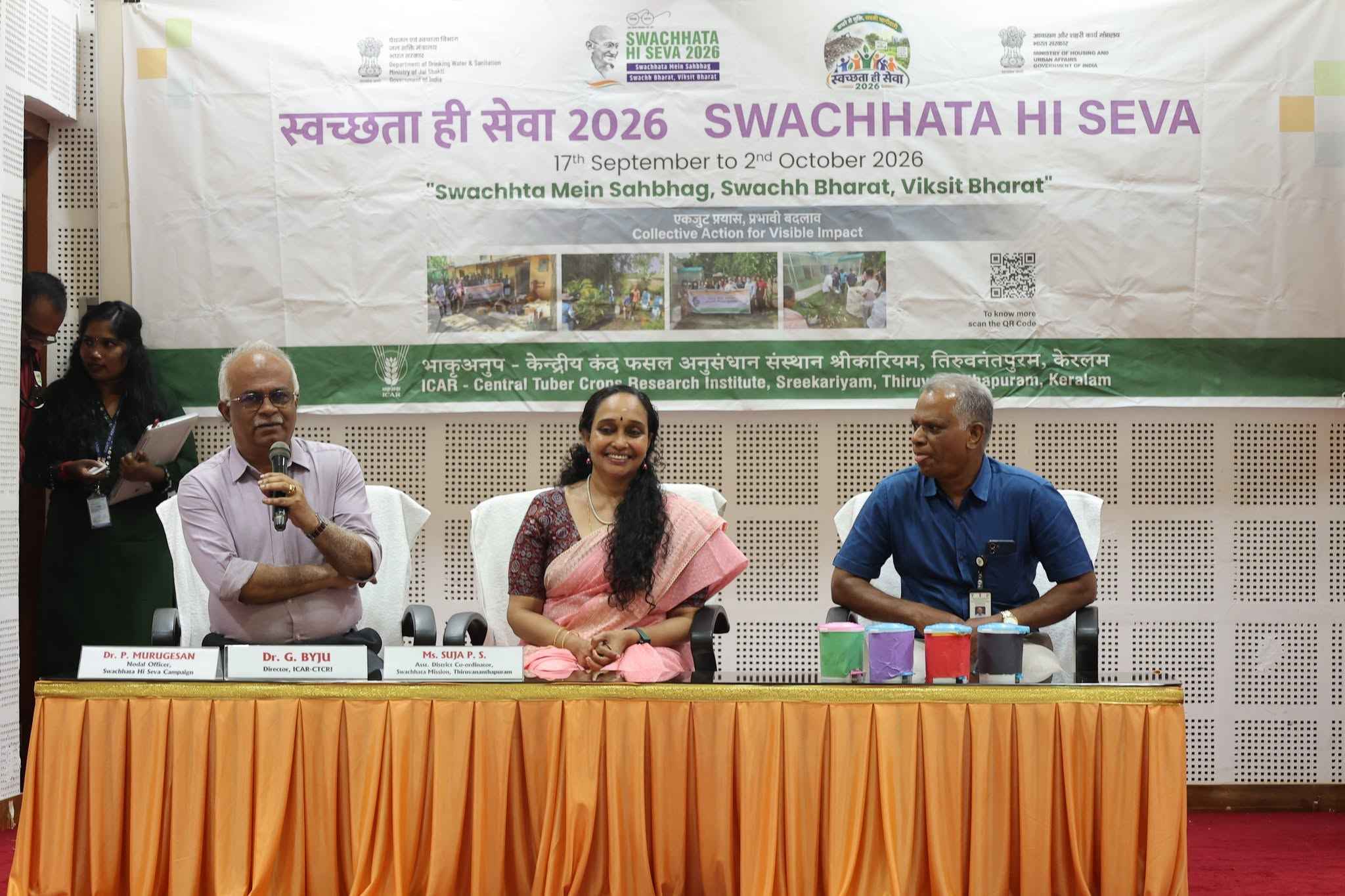
As part of the Swachhata Hi Seva 2026 Campaign, an awareness programme was organised at ICAR-Central Tuber Crops Research Institute (ICAR-CTCRI), Thiruvananthapuram, on 23 September 2026, focusing on the prescribed Jan Bhagidari Advocacy Drives: (i) 4-Way Waste Segregation under SWM Rules, 2026 – “Ab Do Nahi Chaar”, (ii) Home Composting, (iii) Say No to Plastics, and (iv) Reduce, Reuse and Recycle (RRR) Drives, in accordance with the date-wise action plan of the campaign.
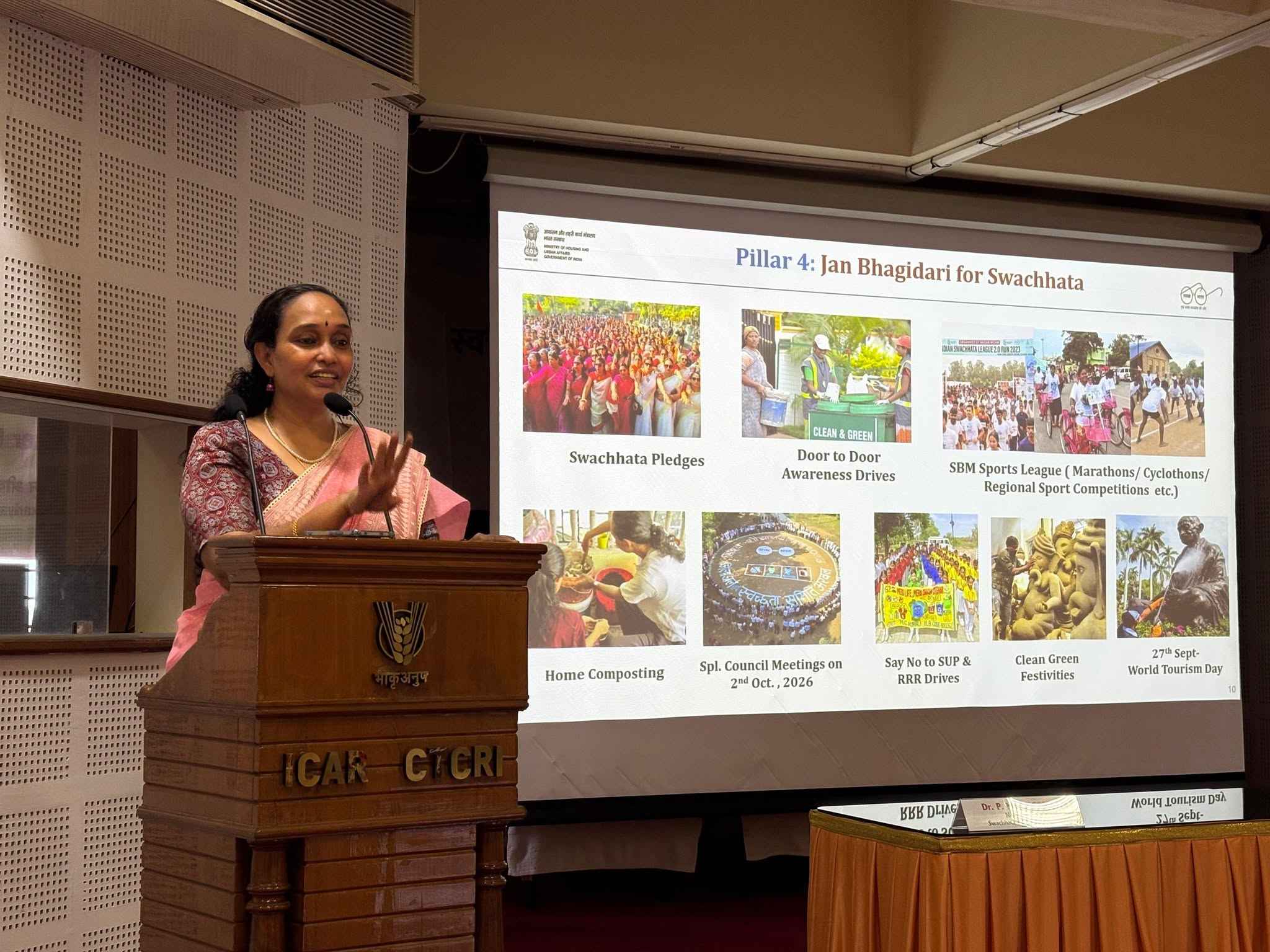
The programme was organised in collaboration with Suchitwa Mission, Kerala. Smt. Suja P.S Assistant District Coordinator, Suchitwa Mission, Keralam, conducted this awareness drive on waste reduction, reuse and recycling, with special emphasis on reducing the use of plastics. She highlighted practical measures such as home composting, prevention of littering in public places, avoiding single-use plastics, promotion of cloth bags, use of reusable steel/glass bottles for water and beverages, collection of used clothes and household items for reuse/recycling, and responsible waste disposal. These activities were in line with the campaign guidelines advocating home composting, no littering, cloth/jute bags, reusable bottles and collection of used household items.
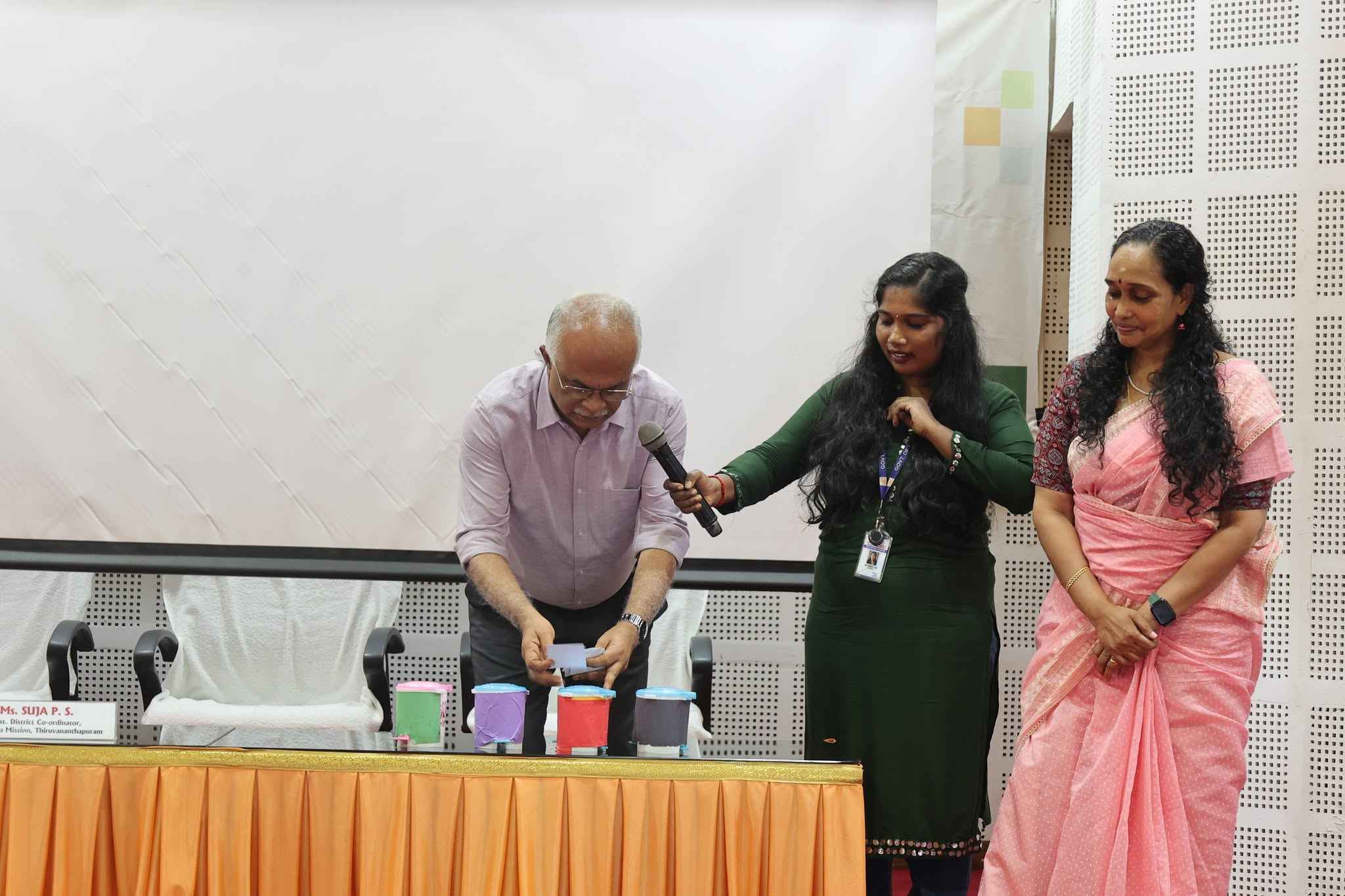
Following the awareness session, experts from Suchitwa Mission, Keralam, conducted a practical demonstration on 4-way waste segregation under the SWM Rules, 2026 – “Ab Do Nahi Chaar”, explaining the appropriate segregation and handling of different categories of waste.
Dr. G. Byju, Director, ICAR-CTCRI, delivered the presidential address and emphasised the importance of collective participation and responsible waste management practices. Dr. P. Murugesan, Nodal Officer, Swachhata Hi Seva 2026, welcomed the participants and introduced the objectives and significance of the programme. The programme concluded with a vote of thanks proposed by Shri B. T. Hareesh, Member Secretary, Swachhata Committee.
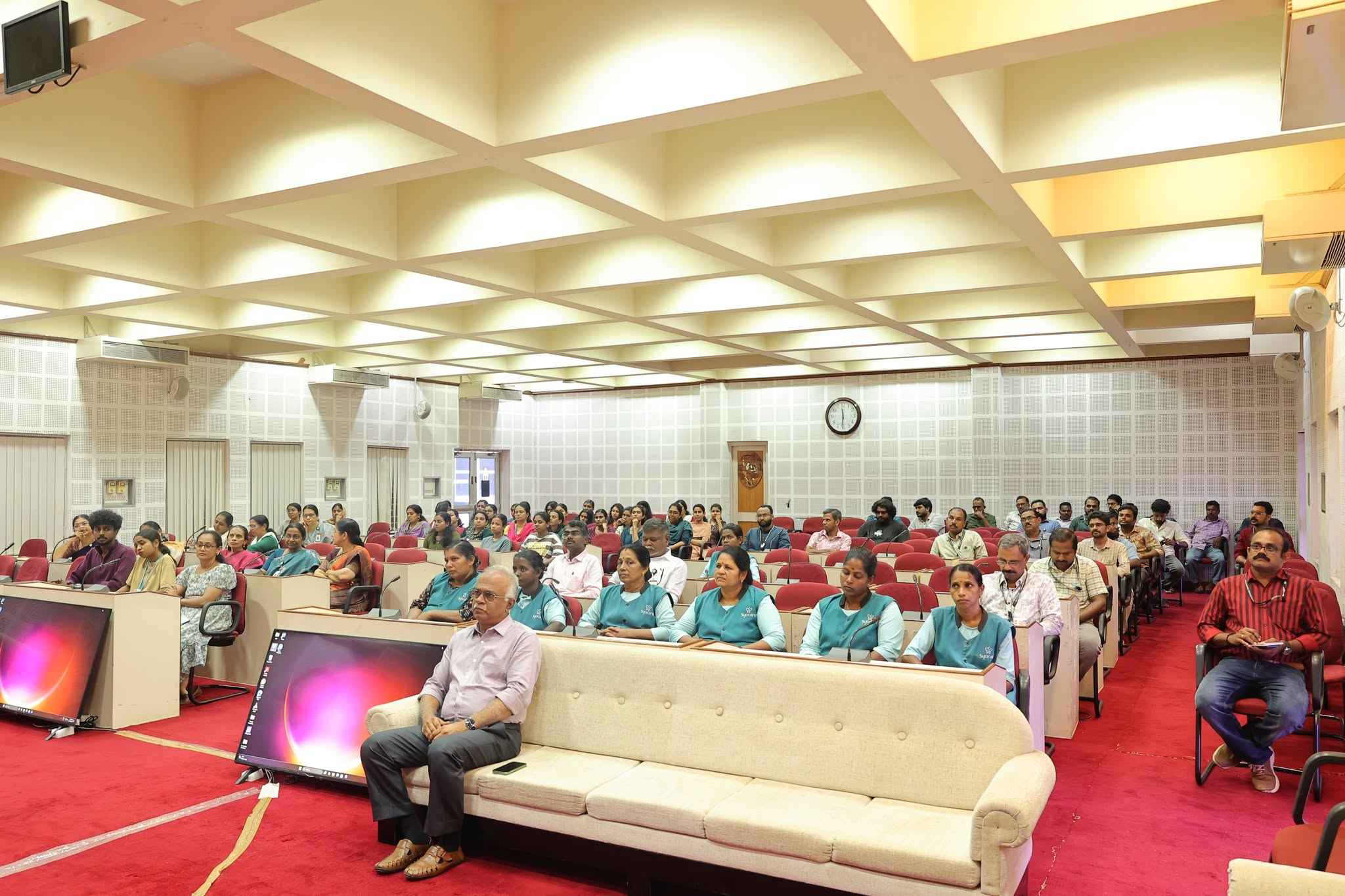
About 150 participants, comprising staff members, students, research scholars, project and temporary staff, sanitation staff and volunteers, actively participated in the programme.